
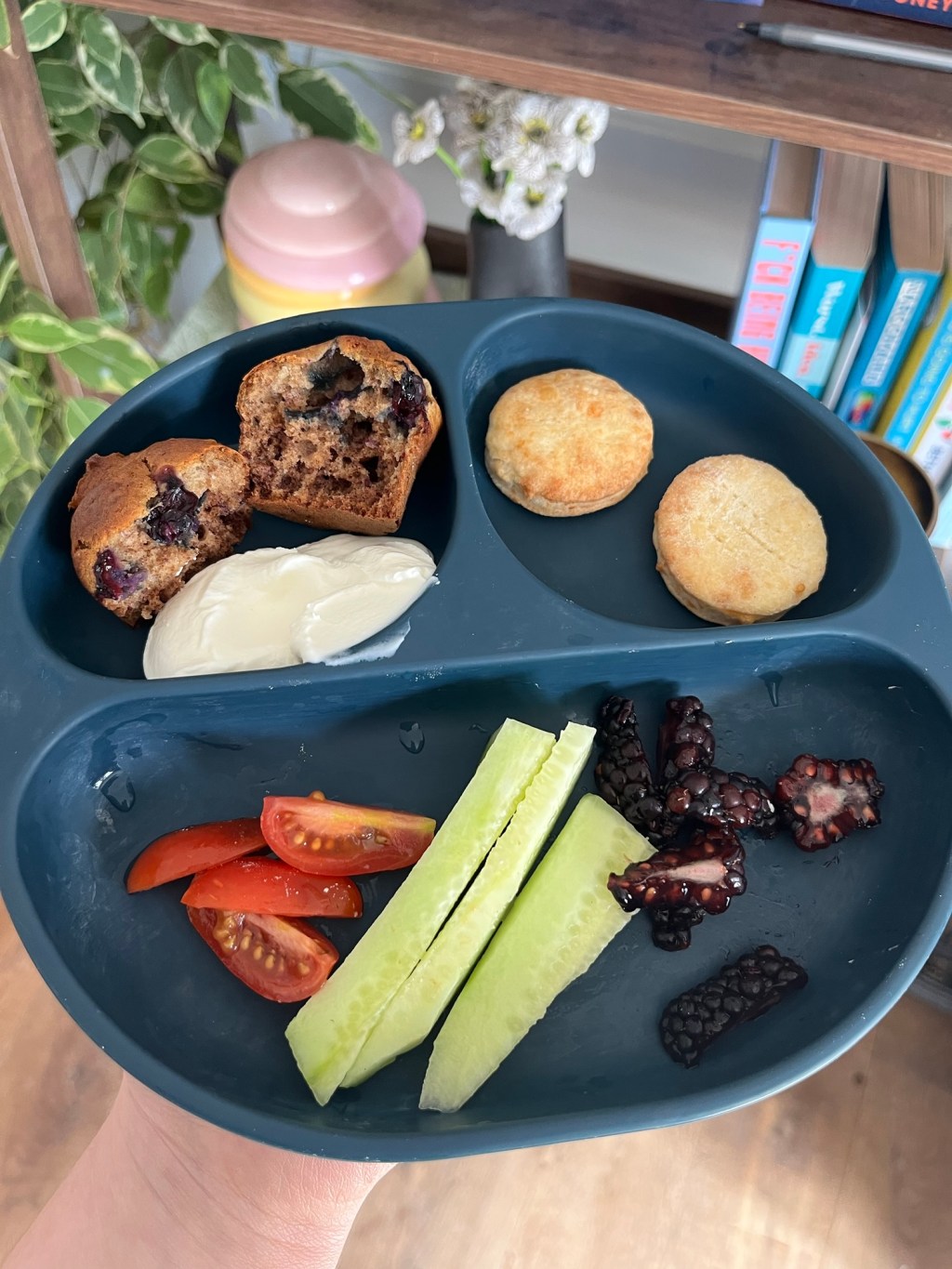
One simple base, endless possibilities. Discover how to make sweet or savoury muffins, use up ingredients in your fridge and add a little extra goodness to your family’s baking.
Welcome back everyone! Today, we’re going to be talking about muffins.
Now, I don’t know about you, but I love a recipe that you can adapt to whatever you’ve got in the kitchen. We’ve all been there, haven’t we? You’ve got a couple of bananas turning brown on the side, half a courgette left in the fridge and some cheese that needs using up, and you’re wondering what on earth you can make with them.
Well, what if I told you that you could turn all of those ingredients into something delicious with one simple base recipe?
That’s the beauty of muffins!
Here at Nibbles & Nourish, I want to help you feel more confident in the kitchen. It’s not always about following a recipe step by step. Sometimes, it’s about understanding why we use certain ingredients, what they actually do and how we can adapt them to suit our families.
So, let’s get to know our kitchen and explore how one simple muffin mixture can become so many different things.
1. What actually makes a muffin?
Before we start throwing blueberries, chocolate chips and courgettes into a mixing bowl, let’s look at the basics.
Most muffins use a combination of flour, eggs, fat, liquid and a raising agent. Each ingredient has a job to do, and understanding these jobs is what allows us to start experimenting.
Let’s break it down.
Flour provides the structure. Plain flour is a good starting point, but you can also use wholemeal flour or a combination of the two. Wholemeal flour adds fibre, although it can make your muffins a little denser.
Eggs help bind everything together. They provide structure and help the muffins hold their shape as they bake.
Butter or oil adds moisture and tenderness. Butter brings a lovely flavour, while oil can help produce a particularly moist muffin.
Milk or another liquid brings the mixture together. You can also use ingredients such as yoghurt, mashed banana or fruit purée, depending on the recipe.
Baking powder helps your muffins rise. Without a suitable raising agent, your muffins are likely to be much denser than you want them to be.
And then, of course, we have the fun part: the ingredients that give your muffins their flavour!
Fruit, vegetables, cheese, herbs, seeds, chocolate and spices can all be used to create something completely different.
As a starting point, you could use 250g of plain flour, two medium eggs, around 180ml of milk, 80g of melted butter or oil and two teaspoons of baking powder to make approximately 10–12 standard muffins.
This is a flexible starting formula rather than a recipe that will work identically with every possible addition. Once you start adding ingredients such as banana, apple purée or grated courgette, you’ll need to adjust the liquid or flour to get the right consistency.
But don’t worry! That’s what we’re here to learn.
2. Sweet muffins: do we really need to add sugar?
When we think about muffins, we often picture the big bakery-style ones, packed with sugar and chocolate chips. And there’s nothing wrong with enjoying a sweet muffin now and again!
But when I’m making muffins for Harrison, I love experimenting with ways to get that lovely sweetness from the ingredients themselves.
So, what can we use?
Bananas
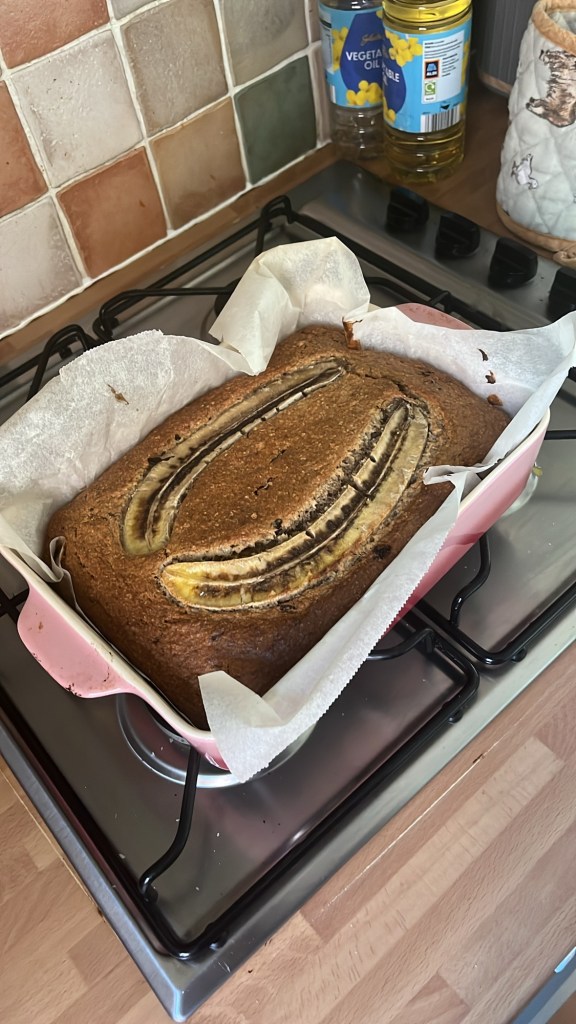
Bananas are brilliant in baking, particularly when they’re nice and ripe. As bananas ripen, their starches are broken down into sugars, giving them a sweeter flavour and making them easy to mash into a smooth mixture.
They also add moisture, which helps keep muffins soft.
If you’ve got some bananas sitting on the side that nobody seems interested in eating, don’t throw them away just yet!
Apple purée
Apple purée is another great option. It adds moisture and a gentle sweetness, making it useful in muffins where you want to reduce the amount of added sugar.
Just remember that it changes the moisture content of your mixture, so you may need to adjust your other ingredients.
Berries
Blueberries, raspberries and strawberries are all lovely additions. They bring their own natural sweetness, along with flavour, colour and a little variety.
You can use fresh or frozen berries, although frozen fruit may release more moisture as it bakes.
Could you combine these ingredients? Absolutely! Banana and blueberries, apple and cinnamon, or banana and raspberries are all combinations worth trying.
And what about adding sugar?
You can certainly add a small amount if you want a sweeter muffin, particularly if you’re using ingredients such as cocoa powder, which can be quite bitter. A little maple syrup can also work in some recipes, although it will add moisture and still counts as a free sugar.
But sometimes, especially when you’re using ripe bananas or naturally sweet fruit, you might find that you don’t need any extra sweetness at all.
For babies and young children, it’s worth remembering that added sugars aren’t necessary, and the NHS recommends avoiding foods containing added sugar for babies and young children. Honey must not be given to babies under 12 months, even when it’s baked into a recipe.
The aim isn’t to make everything taste bland. It’s about helping little ones enjoy the natural flavours of food while keeping added sugars to a minimum.
3. My son’s favourite: chocolate, banana and courgette muffins
Now, this is one of my favourite combinations to make for Harrison.
If you’ve got a toddler, you’ll probably understand when I say that their eating habits can change from one day to the next. One minute they’re happily eating everything you put in front of them, and the next, they seem to have decided that the only acceptable food in the entire house is a piece of toast.
Why do they do this to us?
One of Harrison’s favourite muffins is chocolate, banana and courgette, and I love making them because they’re a lovely way to combine ingredients that offer different nutrients.
The banana provides sweetness and moisture, the courgette helps keep the muffins soft, and the cocoa powder gives them that chocolatey flavour.
You can grate the courgette finely so that it blends into the mixture. It won’t necessarily disappear completely, but it can be a useful way to introduce vegetables into a familiar food.
And here’s the important bit: adding vegetables to a muffin doesn’t mean we’re magically transforming it into a complete meal. But it does give us another way to offer a variety of ingredients as part of a balanced diet.
Depending on how ripe your bananas are and how much cocoa you use, you may want to add a little sugar to balance the flavour. You can experiment with the quantities until you find a combination your family loves.
For me, that’s what home cooking is about. Finding something that works for your family, using ingredients you already have and making it your own.
4. Who said muffins had to be sweet?
This is where things get really interesting!
When we think of muffins, we tend to think of fruit, chocolate and sweet treats. But savoury muffins are just as versatile, and they’re a brilliant way to use up ingredients in your fridge.
Harrison’s other favourite is a feta and red pepper muffin.
The red pepper brings a gentle sweetness, while the feta adds a lovely creamy, tangy flavour. Together, they make a delicious combination without needing any added sugar.
And once you start thinking about savoury muffins, the possibilities are endless.
You could try:
- Cheese and courgette.
- Spinach and cheddar.
- Tomato, mozzarella and basil.
- Cheese and pesto.
- Sweetcorn and red pepper.
You could even experiment with different herbs and spices to change the flavour.
The important thing to remember is that savoury muffins don’t need sugar at all. You can use your basic muffin formula, add your chosen ingredients and adjust the mixture as needed.
One thing to watch, particularly when cooking for babies and toddlers, is the salt content. Feta, cheese and shop-bought pesto can all contain quite a lot of salt, so choosing lower-salt options where possible is a good idea.
And don’t be afraid to experiment! Some of the best combinations come from using up the bits and pieces you already have.
5. A little extra goodness: adding seeds
Now, here’s another little trick I love: adding seeds to your muffin mixture.
Ground flaxseed and chia seeds are particularly useful because they provide plant-based omega-3 fatty acids, known as ALA. They also contribute fibre and other nutrients.
You don’t need to add huge amounts. Try starting with a tablespoon or two in a batch and see how you get on.
You can add them to sweet or savoury muffins, whether you’re making banana muffins, chocolate muffins or something with cheese and vegetables.
Just remember that chia seeds absorb liquid, so you may need to add a little extra milk if your mixture becomes too thick. Ground seeds can also be a good option if you want them to blend more easily into the batter.
And, of course, seeds aren’t the only way to add nutrition to your baking. Fruit, vegetables, wholemeal flour and other ingredients can all contribute something useful.
I love these little additions because they don’t require you to completely change what you’re making. You’re simply finding ways to add variety to foods your family already enjoys.
As always, think about your child’s age, allergies and developmental stage when choosing ingredients and serving homemade muffins.
6. What’s the secret to a good muffin?
We’ve covered the ingredients, so let’s talk about how to put everything together.
Have you ever made muffins that turned out a little dense or chewy, rather than light and soft?
One of the reasons this can happen is overmixing.
When flour comes into contact with liquid, gluten begins to develop. A little gluten is useful because it helps provide structure, but too much mixing can make muffins tougher than we’d like.
So, how do we avoid this?
Start by mixing your dry ingredients together in one bowl and your wet ingredients in another. Then combine the two, stirring gently until the flour has just disappeared.
Don’t worry if your mixture looks a little lumpy. That’s absolutely fine!
Fold through your fruit, vegetables, cheese or seeds, divide the mixture between your muffin cases and bake.
As a starting point, you can try an oven temperature of 180°C conventional or 160°C fan for around 18–25 minutes, depending on the size of your muffins and your oven. Always check that they’re cooked through before serving.
And that’s it! No complicated techniques or fancy equipment needed.
One final tip: if you’re adding grated courgette, squeeze out excess moisture first. If you’re adding banana or apple purée, remember that these ingredients also add liquid, so your mixture may need a little adjustment.
The more you practise, the easier it becomes to recognise what a good muffin batter should look like.
7. Why I love having homemade muffins ready for Harrison
One of the things I love most about making muffins at home is knowing what’s gone into them.
We all have those days when our little ones aren’t eating as well as we’d like. Maybe they’re teething, maybe they’re poorly, or maybe they’re going through one of those phases where everything you offer is met with a firm shake of the head.
When Harrison is ill, I particularly love having some homemade muffins available.
I can make them with ingredients such as banana, courgette, berries, cheese or seeds, depending on the combination I’m making. I know that I’m offering something that can contribute useful nutrients, even when he’s being fussy and eating less than usual.
Of course, muffins aren’t going to provide every nutrient he needs, and they aren’t a magic solution when a child is poorly. But they can be a handy option as part of a varied diet, especially when you want to offer something familiar and easy to prepare.
I can also freeze a batch and have them ready for another day, which is always helpful when life gets busy.
And honestly, anything that makes feeding a toddler a little easier gets a big thumbs-up from me!
I think it’s important to remember that we don’t have to make every meal perfect. We just need to keep offering variety, providing opportunities to try different foods and doing our best to make nourishing choices where we can.
Sometimes, that’s a homemade muffin. Sometimes, it’s toast. And sometimes, it’s simply getting through the day.
And that’s okay, too.
8. So, what’s your perfect muffin?
The beauty of muffins is that there isn’t just one perfect recipe.
You can make them sweet with banana, apple purée or berries. You can make them savoury with cheese, pesto or vegetables. You can add ground seeds or chia seeds, experiment with different flours and adjust the sweetness to suit your family.
Once you understand the basic ingredients and what they do, you can start creating your own combinations rather than relying on a recipe every time.
So, next time you’ve got a few ingredients left in the fridge, why not have a go?
You might discover a new family favourite, use up something that would otherwise go to waste and gain a little more confidence in your kitchen along the way.
Because that’s what Knowing My Kitchen is all about. It’s not about being the perfect cook or following every recipe to the letter. It’s about understanding food, trying new things and realising that a little knowledge can go a long way.
Happy baking!
Love, Nibbles & Nourish x


Leave a Reply