
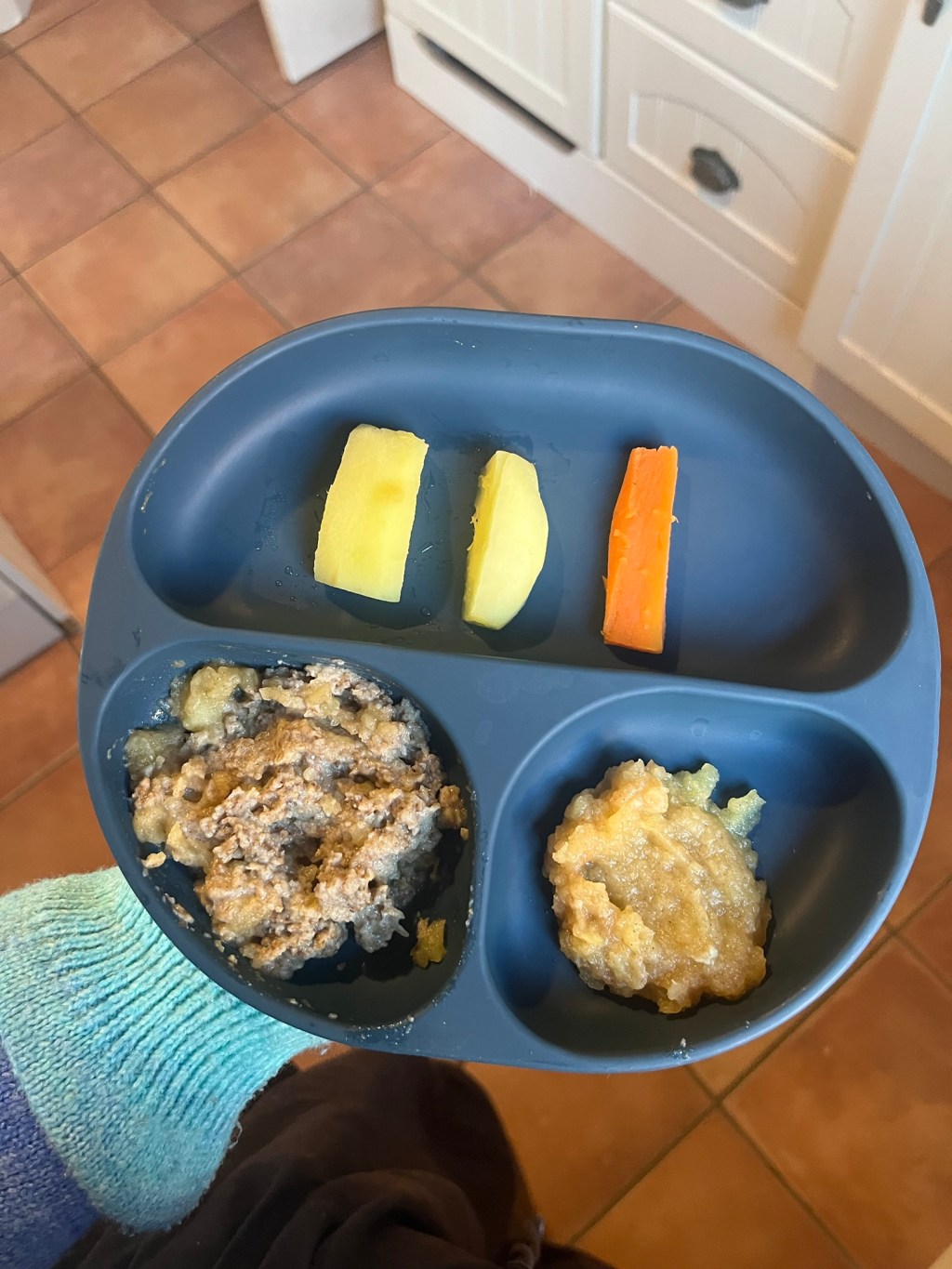
Simple, nutritious and baby-friendly finger foods to help your little one explore new tastes, textures and flavours.
Starting your little one’s weaning journey is such an exciting milestone, but it can also leave you wondering what on earth you’re supposed to put on their plate!
You’ve probably seen videos of babies happily munching on everything from broccoli to steak, but knowing which foods to offer, how to prepare them and whether they’re actually nutritious enough can feel a little overwhelming at first.
The good news is that you don’t need fancy recipes or expensive baby food products to get started. Some of the best first foods are simple ingredients you may already have in your weekly food shop.
At Nibbles & Nourish, we believe food is about so much more than filling little tummies. It’s an opportunity for babies to explore their senses, practise feeding skills and discover the variety of foods that help their growing bodies thrive.
Some parents prefer to start with vegetables before offering sweeter foods such as fruit. The idea is to let your baby get used to savoury flavours first, rather than introducing lots of sweet tastes straight away and worrying that they may become fussier with vegetables later on. There’s no single right way to begin, but offering a mixture of flavours from the start can help your baby become familiar with a wide variety of foods.
So, whether you’re trying baby-led weaning or combining finger foods with spoon-feeding, here are 25 simple ideas to inspire your baby’s next meal. There are plenty of basic foods here, along with a few easy recipes that are firm favourites in our house. My children’s personal favourite was curry chickpea pancakes with yoghurt dip — they were always a hit!
When can babies start eating finger foods?
In the UK, solid foods are generally introduced at around six months, when your baby shows all three signs of readiness:
- They can sit upright and hold their head steady.
- They can coordinate their eyes, hands and mouth to pick up food and bring it towards their mouth.
- They can swallow food rather than consistently pushing it back out.
Finger foods can be introduced from the beginning of weaning when your baby is ready. You don’t have to follow baby-led weaning exclusively, either. Offering a mixture of finger foods, mashed foods and spoon-feeding can work well for many families.
At first, your baby may spend more time squishing, exploring and throwing food than eating it. That’s completely normal! Learning to eat is a new skill, and getting comfortable with different tastes and textures takes time.
Remember, breast milk or first infant formula remains your baby’s main drink during their first year.
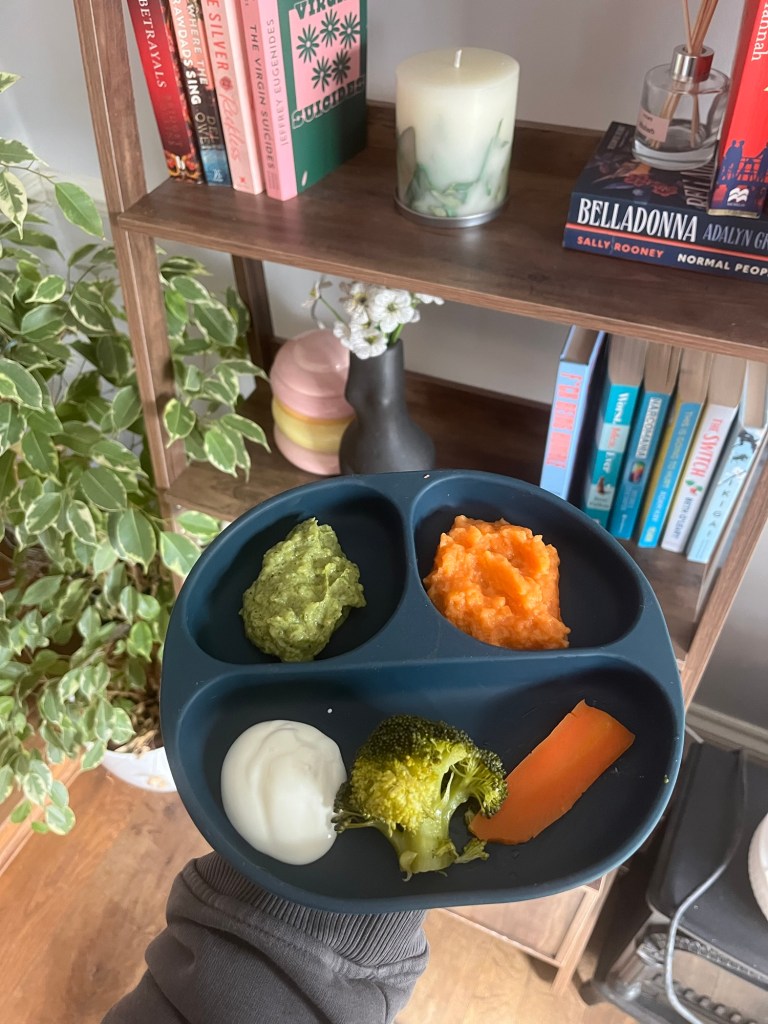
25 easy finger foods for babies
Soft vegetables
Vegetables are a brilliant place to start because they introduce babies to a variety of colours, flavours and textures. They’re also a great way to provide nutrients such as fibre, vitamins and minerals.
If you’d like to begin with savoury foods before offering fruit, these are some lovely options to try first.
1. Steamed broccoli
Broccoli is a fantastic first food, containing vitamin C, folate and fibre. It’s also easy for little hands to hold when served as a large floret.
How to serve it: Steam or boil until very soft, then offer a large floret with a stalk your baby can grip. Check that the florets and stalk are soft enough to squash easily between your fingers.
2. Sweet potato wedges
Sweet potato is naturally soft and slightly sweet, and contains beta-carotene, which the body converts into vitamin A. It’s one of those foods that works well as a simple finger food or as part of a more complete meal.
How to serve it: Roast or steam thick wedges until soft all the way through. Avoid crisp, hard edges.
3. Carrot batons
Carrots contain beta-carotene and provide a lovely opportunity to explore a familiar vegetable in a different texture.
How to serve it: Peel and cook thick batons until completely soft. Raw carrot is too hard for young babies and should be avoided.
4. Avocado slices
Avocado provides unsaturated fats and energy, making it a useful addition to a varied weaning diet.
How to serve it: Offer a thick slice of ripe avocado. If it’s too slippery to grip, try leaving some skin on the end as a handle, ensuring the skin is not eaten, or rolling the flesh in finely ground oats.
5. Steamed cauliflower
Cauliflower offers vitamin C, folate and fibre, and introduces a slightly different flavour from sweeter vegetables.
How to serve it: Steam florets until very soft and easy to squash between your fingers.
Soft fruits
Fruit provides vitamins, minerals, fibre and a range of flavours. It’s naturally sweet, so some parents prefer to introduce it after offering a few vegetables, while others include it from the beginning. Both approaches can work well.
6. Banana
Bananas are convenient, naturally soft and provide carbohydrates for energy, alongside potassium and vitamin B6.
How to serve it: Offer a peeled section of banana or a thick strip cut lengthways. If it’s slippery, try leaving a little peel at the base as a handle.
7. Ripe pear
Pears provide fibre and are easy to prepare when ripe.
How to serve it: Offer a peeled, very ripe pear cut into an appropriate shape, or cook firmer pear until soft enough to squash easily.
8. Soft peach
Peaches provide vitamin C and a different flavour and texture for your baby to explore.
How to serve it: Remove the stone and offer soft, ripe flesh in suitable strips. Peel it if the skin is firm or difficult to manage.
9. Mango
Mango contains vitamin C and beta-carotene, as well as natural sweetness.
How to serve it: Offer a large, soft, ripe strip of mango. If it’s slippery, try a little finely ground oat coating to improve grip.
10. Melon
Melon provides water and a refreshing flavour, making it another option for variety.
How to serve it: Remove the rind, seeds and any hard parts. Offer a soft, appropriately sized strip. Avoid hard or slippery chunks.
Iron-rich foods and protein
As your baby begins eating solids, it’s important to offer iron-rich foods regularly. Iron supports the formation of red blood cells and is important for normal brain development.
11. Well-cooked egg
Eggs provide protein, choline and other nutrients. Choline is involved in normal brain function and development.
How to serve it: Offer strips of a well-cooked omelette or scrambled egg in a soft, manageable texture. Eggs can be introduced from around six months.
12. Tender chicken
Chicken provides protein and vitamin B12, while also supplying iron.
How to serve it: Cook thoroughly and offer moist, tender pieces that are easy to break apart. Avoid dry, tough or chewy chunks, and remove any bones.
13. Flaked salmon
Salmon provides protein, vitamin B12 and omega-3 fatty acids, including DHA, which plays a role in normal brain function.
How to serve it: Cook thoroughly, remove every bone and offer soft flakes or a soft salmon patty. Check carefully before serving.
14. Lentil and vegetable patties
Lentils are a useful plant-based source of protein, iron and fibre. They’re also a great way to make a soft, easy-to-hold food for little hands.
How to serve it: Mash cooked lentils with soft vegetables and a little flour or egg to bind them, then shape into small, soft patties. Cook thoroughly and avoid adding salt.
15. Curry chickpea pancakes with yoghurt dip
This is one of my children’s personal favourites. They’re soft, full of flavour and a lovely way to introduce gentle spices and chickpeas without making a complicated meal.
How to serve it: Blend or mash cooked chickpeas with egg, a little flour and a mild pinch of curry powder, then cook small pancakes until soft and fully cooked through. Serve with plain full-fat yoghurt for dipping. Avoid added salt and check that the curry powder does not contain unnecessary salt or chilli.
Grains and starchy foods
Starchy foods provide energy to fuel your baby’s growth and activity. Wholegrains can also provide fibre and B vitamins.
16. Toast fingers
Toast is a convenient option for breakfast or lunch and can be paired with nutrient-rich toppings.
How to serve it: Offer fingers of bread toasted enough to hold together but not so hard that they become sharp or brittle. Spread toppings thinly.
17. Soft pasta
Pasta provides carbohydrates for energy and can be paired with vegetables, meat, fish or pulses.
How to serve it: Cook until soft and offer shapes your baby can manage, such as large spirals or suitable pasta tubes. Avoid overcooking into a slippery, difficult-to-grip texture.
18. Sweet potato wedges
Potatoes provide carbohydrates, potassium and vitamin C.
How to serve it: Bake or steam thick wedges until soft throughout. Leave out the salt and avoid hard, crispy edges.
19. Banana oat bars
Banana oat bars are a simple homemade option for breakfast, snacks or days when you need something easy to take out with you. They’re soft, naturally sweet and easy for little hands to hold.
How to serve it: Mash ripe banana with oats and, if you like, add a little cinnamon. Press into a lined baking tin and bake until set but still soft. Allow to cool completely before cutting into finger-sized bars. Avoid making them dry, hard or crumbly.
20. Soft chapati strips
Chapati can introduce your baby to a variety of family foods and flavours.
How to serve it: Offer soft strips of chapati without added salt. Make sure they are moist and manageable rather than dry, tough or chewy.
Dairy and simple combinations
Dairy foods can contribute protein, calcium, iodine and other nutrients. Combining food groups can also help you offer a broader range of nutrients across the day.
21. Pasteurised full-fat cheese
Cheese provides calcium and protein. Choose pasteurised varieties and, where possible, options lower in salt.
How to serve it: Offer thin strips or finely grated cheese softened into food. Avoid large, hard cubes that could be difficult to manage.
22. Plain full-fat yoghurt on toast
Plain, unsweetened, full-fat yoghurt provides protein and calcium. Dairy yoghurt can be introduced from around six months.
How to serve it: Spread a thin layer on a suitable piece of toast or offer yoghurt on a pre-loaded spoon. Avoid added sugar and honey.
23. Soft courgette fritters
Courgette provides variety and some vitamin C. Adding egg can contribute protein and other nutrients.
How to serve it: Grate courgette, squeeze out excess water, mix with egg and a little flour, then cook into soft fritters. Allow them to cool and check they remain soft inside.
24. Hummus on toast
Chickpeas provide plant-based protein, fibre and some iron. Tahini, if included, also contributes nutrients and introduces sesame.
How to serve it: Spread a thin layer of smooth hummus on toast fingers. Choose a low-salt recipe without added honey. Introduce sesame carefully if it is new to your baby.
25. Mini banana and oat pancakes
These are a simple way to combine fruit, oats and egg in one easy-to-hold food. They’re also useful when you want to offer something a little different from plain banana or porridge.
How to serve it: Mash ripe banana with egg and finely ground oats, then cook small pancakes until fully cooked through and soft. Cool before offering and check the texture is not sticky or rubbery.
How can I make sure my baby’s finger foods are safe?
It’s completely understandable to feel nervous about introducing finger foods, particularly when your baby is still learning to chew and swallow.
A few simple precautions can help reduce the risk of choking:
- Sit your baby upright: Use a suitable highchair and ensure your baby is alert and sitting upright while eating.
- Stay with them: Never leave your baby alone while eating, even for a moment.
- Check the texture: Foods should be soft enough to squash between your fingers when appropriate for your baby’s stage.
- Think about shape and size: Larger, soft finger-shaped pieces are often easier for younger babies to grasp. Adapt foods as their skills develop.
- Avoid high-risk foods: Never offer whole nuts, popcorn, hard raw carrot, hard raw apple, whole grapes or other small, round, hard foods in unsafe shapes. Cut small round foods such as grapes and cherry tomatoes lengthways into quarters, and cook hard fruit and vegetables until soft.
- Remove hazards: Check carefully for bones, stones, pips and hard pieces before serving.
Gagging can happen as babies learn to manage food, but choking is different and can be life-threatening. Learn infant choking first aid before starting solids.
For detailed UK guidance, see the NHS’s guide to preparing food safely.
A few more things to remember
Introduce allergens thoughtfully. Foods such as egg, peanut, milk, wheat, fish and sesame can be introduced from around six months, one at a time and in small amounts. Serve them in safe forms, and continue offering tolerated allergens regularly. If your baby has severe eczema, an existing food allergy or other concerns, speak to your GP or health visitor for individual advice.
Don’t add salt or sugar. Babies don’t need either added to their food. Avoid honey before 12 months.
Include iron-rich foods regularly. Try to offer sources such as meat, fish, egg, beans and lentils alongside other foods.
Gentle spices are fine. You don’t need to keep every meal completely plain. Mild spices such as cumin, cinnamon, turmeric and a gentle curry powder can help your baby explore different flavours, provided the food is not hot or heavily salted.
Let your baby set the pace. Some days they’ll eat more than others. Offer food without pressure and respond to signs that they’ve had enough.
Remember that variety matters over time. You don’t need to serve 25 different foods in a week. Repeated opportunities to explore familiar and unfamiliar foods are part of learning to eat.
Final thoughts
Introducing finger foods doesn’t need to be complicated. Everyday foods such as broccoli, banana, eggs, lentils and sweet potato can provide a wonderful starting point for exploring different tastes, textures and nutrients.
If you prefer to begin with vegetables before introducing fruit, that’s absolutely fine. If your baby enjoys banana on day one, that’s fine too. The most important thing is to keep offering a variety of flavours and textures without pressure.
And don’t be afraid to make simple family-style recipes for your baby, either. Soft curry chickpea pancakes, banana oat bars, courgette fritters and mini pancakes can all be adapted to suit your baby’s stage and make weaning feel much more enjoyable for everyone.
The aim isn’t to create perfect plates or make every meal a nutritional masterpiece. It’s to offer a variety of appropriate foods, create positive experiences around eating and give your baby the chance to learn at their own pace.
At Nibbles & Nourish, we believe small food experiences can lay the foundations for a lifelong relationship with food.
Happy exploring, little foodies!
Disclaimer: This article is for general educational purposes and is not a substitute for individual medical or dietetic advice. Always follow current NHS guidance on introducing solids, allergens and choking prevention. If you have concerns about your baby’s feeding, development or nutritional needs, speak to your health visitor, GP or a registered dietitian.
Further reading: NHS: Your baby’s first solid foods · NHS: Foods to avoid giving babies and young children


Leave a Reply